What is a CRM?

Logan Meaux
6 min read
What is a CRM? Your Ultimate Guide to Client Management Software
In today's fast-paced business world, building and maintaining strong customer relationships is no longer just a good idea; it's a necessity for survival and growth. Whether you're a small local shop, a thriving e-commerce business, or an outfitter specializing in unforgettable experiences, how you manage your client interactions can make or break your success. This is where a CRM comes into play. But what exactly is a CRM, and why is it so vital?
Let's dive into the world of Client Relationship Management software and uncover how it can level up the way you do business, streamline your operations, and ultimately, boost your bottom line.
Defining CRM: More Than Just a Database
At its core, CRM stands for Customer Relationship Management. It refers to a strategy that companies use to manage and analyze customer interactions and data throughout the customer lifecycle, aiming to improve business relationships, assist in customer retention, and drive sales growth. The term also commonly refers to the software system that helps facilitate these strategies.
Think of it as your business's central nervous system for client interactions. It collects, organizes, and manages all customer information from various channels, be it your website, existing clients, telephone, email, or social media. A robust CRM system provides you with access to real-time customer data for every part of your business.
Key Components of a CRM System:
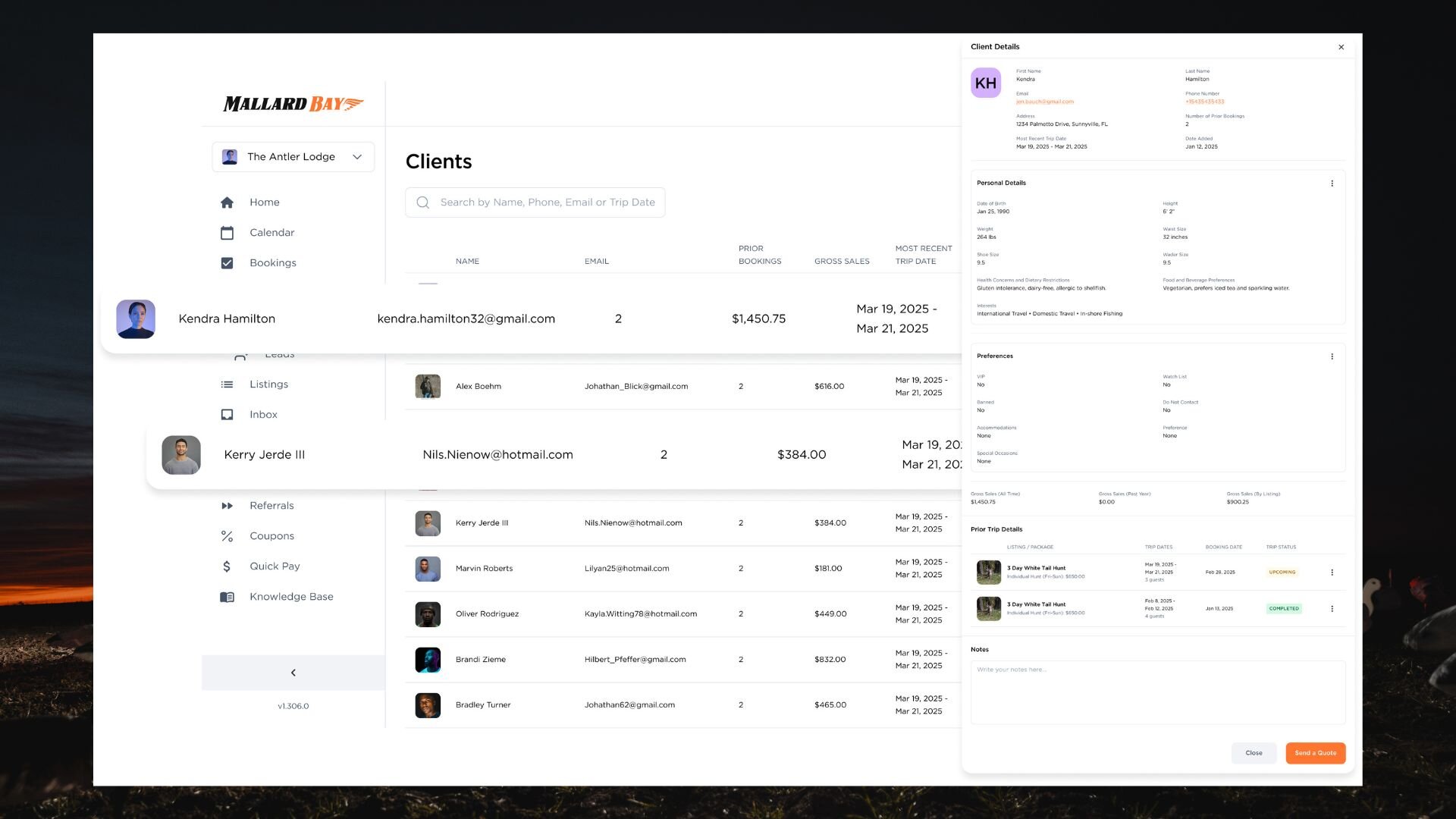
- Contact Management: Stores comprehensive contact information, communication history, and preferences for each client.
- Interaction Tracking: Logs interactions, emails, calls, meetings, and purchases, allowing for a complete client history.
- Lead Management: Helps businesses acquire new leads, track their progress through the sales funnel, and convert them into customers.
- Sales Automation: Automates repetitive tasks in the sales process, like data entry, sending follow-up emails, and scheduling appointments.
- Marketing Automation: Facilitates targeted marketing campaigns based on customer segments and behaviors.
- Customer Service: Streamlines support requests, tracks issues, and manages resolutions to improve customer satisfaction.
- Analytics & Reporting: Provides insights into sales performance, customer behavior, and marketing campaign effectiveness through detailed reports.
Why is a CRM Essential for Modern Businesses?
The benefits of implementing CRM software are multifaceted and far-reaching, impacting every aspect of your business from efficiency to profitability.
1. Enhanced Client Relationships
By having a 360-degree view of your clients, you can personalize interactions, anticipate needs, and provide exceptional service. This leads to increased client loyalty and repeat business. Imagine knowing a client's favorite type of whiskey before they even get to the lodge.
2. Streamlined Sales Cycle
CRM helps identify and nurture leads, manage sales pipelines, and close sales more accurately. You can focus on selling rather than administrative tasks, leading to faster conversions and increased revenue.
3. Improved Marketing Efforts
With detailed data on customer preferences and behavior, your marketing campaigns become more targeted and effective. You can segment your audience and deliver personalized messages that resonate, leading to higher conversion rates.
4. Better Data Organization and Accessibility
No more scattered spreadsheets or lost notes. All client data is securely stored in one centralized location, accessible to authorized personnel whenever and wherever they need it. This single source of truth ensures consistency and accuracy.
5. Operational Efficiency
Automating routine tasks and standardizing processes frees up valuable time for your team to focus on more strategic activities. This boosts productivity across the board, from bookings management to customer support.
CRM for Outfitters: A Game-Changer Example
Consider the specific needs of outfitters. Running a successful hunting or fishing guide service involves meticulous planning, managing guides, coordinating permits, and handling countless client inquiries and bookings. A specialized CRM can be transformative.
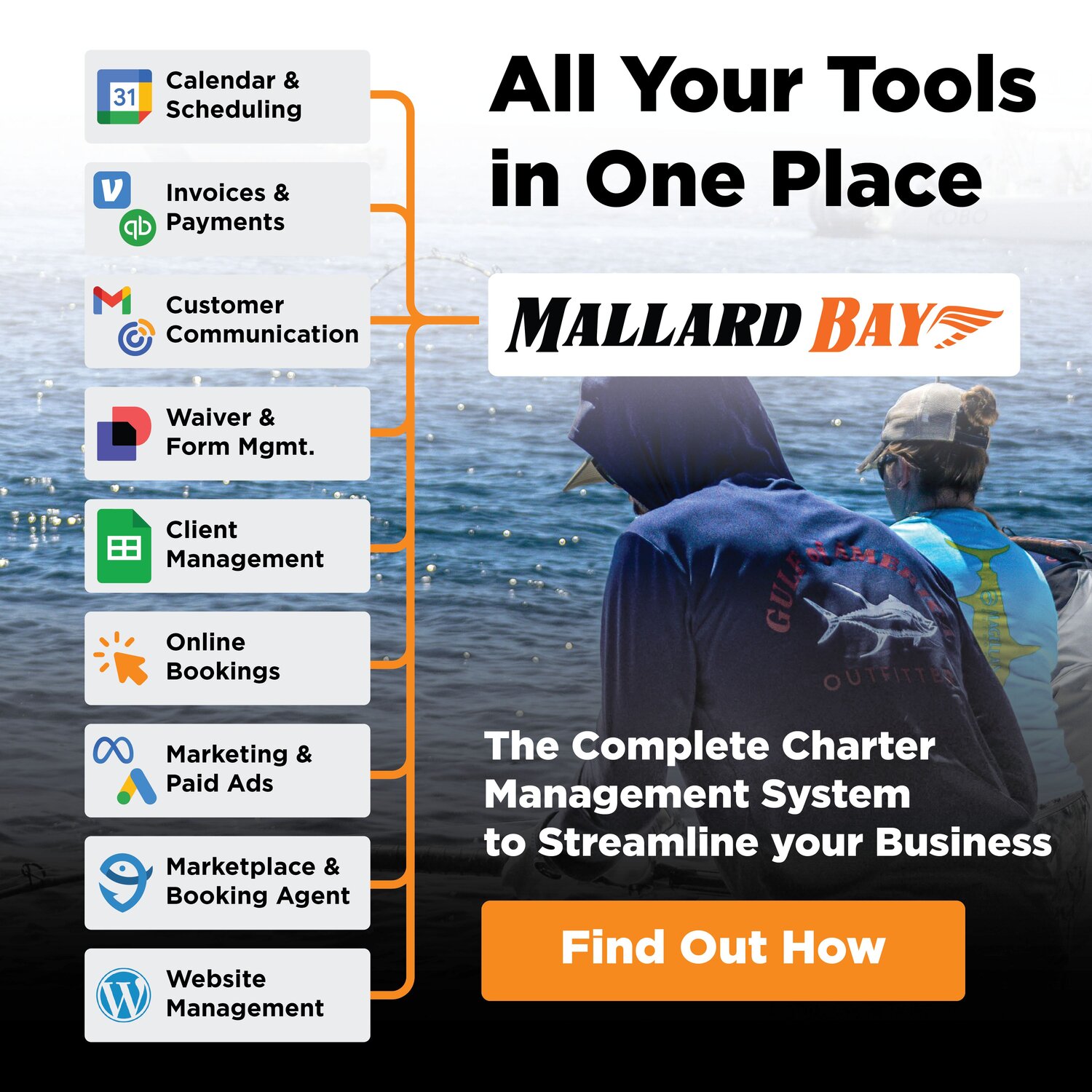
Platforms like Mallard Bay are prime examples of how a CRM tailored to the outdoor industry can elevate operations. Imagine:
- Effortless Booking Management: Clients can view availability, book trips, and even pay directly through a seamless interface. The CRM handles scheduling conflicts and sends automated confirmations.
- Personalized Guest Experiences: Store data on past hunts, preferred species, dietary restrictions, and even special requests. This allows outfitters to offer highly personalized experiences, ensuring clients return year after year.
- Targeted Marketing: Send out seasonal promotions for specific hunts, personalized newsletters, or follow-up surveys to clients who haven't booked in a while.
- Invoice & Resource Management: Track equipment, documents, and payments with ease, ensuring everything is for each trip.
For outfitters, a CRM isn't just about managing clients; it's about managing every crucial detail that contributes to an unforgettable outdoor adventure.
Choosing the Right CRM Software
With numerous CRM software options available, selecting the right one can feel daunting. Here are some factors to consider:
- Industry-Specific Needs: For outfitters, tools designed for tourism, bookings, and resource management are ideal. Platforms like Mallard Bay offer specialized features.
- Scalability: Choose a CRM that can grow with your business. You don't want to switch systems every few years.
- Ease of Use: A powerful CRM is only effective if your team can actually use it. Look for intuitive interfaces and good onboarding.
- Integration Capabilities: Does it integrate with your existing tools like email marketing services, accounting software, or payment gateways?
- Cost: CRM pricing can vary widely. Consider your budget relative to the features and benefits offered.
- Support & Training: Good customer support and available training resources are crucial for successful implementation.
The Future is Client-Centric with CRM
In an increasingly competitive landscape, putting your client at the center of your operations is no longer optional. A robust CRM software solution is the backbone of a client-centric strategy, enabling businesses to understand their customers better, serve them more effectively, and build relationships that stand the test of time.
Whether you're looking to streamline your bookings, make sense of endless client data, or simply provide a superior experience, investing in the right Client Management Software is one of the smartest decisions you can make. It's not just technology; it's a strategy for sustainable growth. Don't let your valuable client relationships get lost in the shuffle; embrace the power of CRM today.